
From the Aikido Center of Los Angeles’ Aiki Dojo Message - Wait a Little Longer
The best don’t let their egos take control.
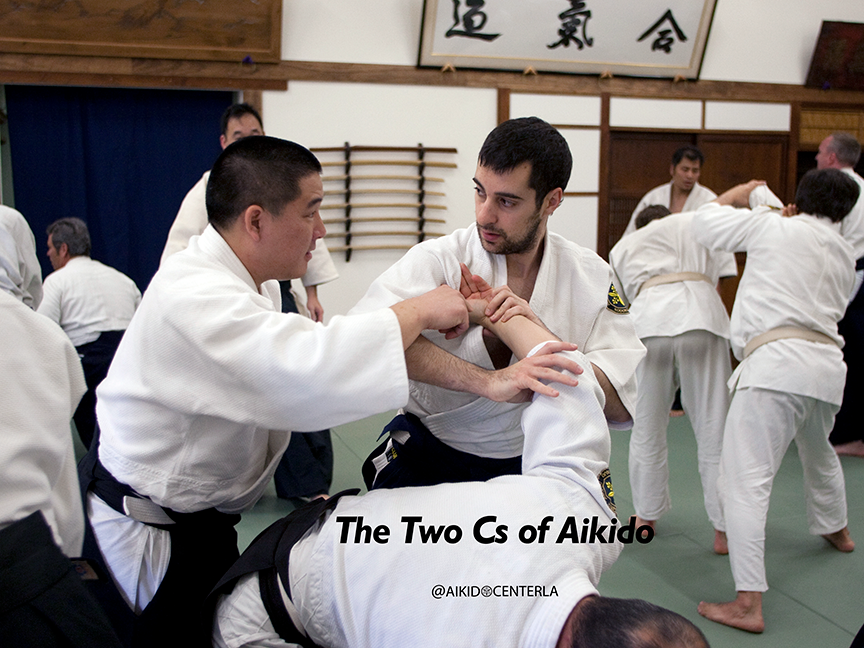
In Aikido, students should strive to get into a flow type of state whenever they train. One way to characterize this state is muga muchuu (無我夢中). Muga muchuu means “being so completely absorbed in an activity that you entirely forget yourself and your surroundings.” This is not a state of apathy or lack of care but rather it is a state of complete awareness. To reach this state, however, we have to get ourselves—and particularly our egos—out of the way.
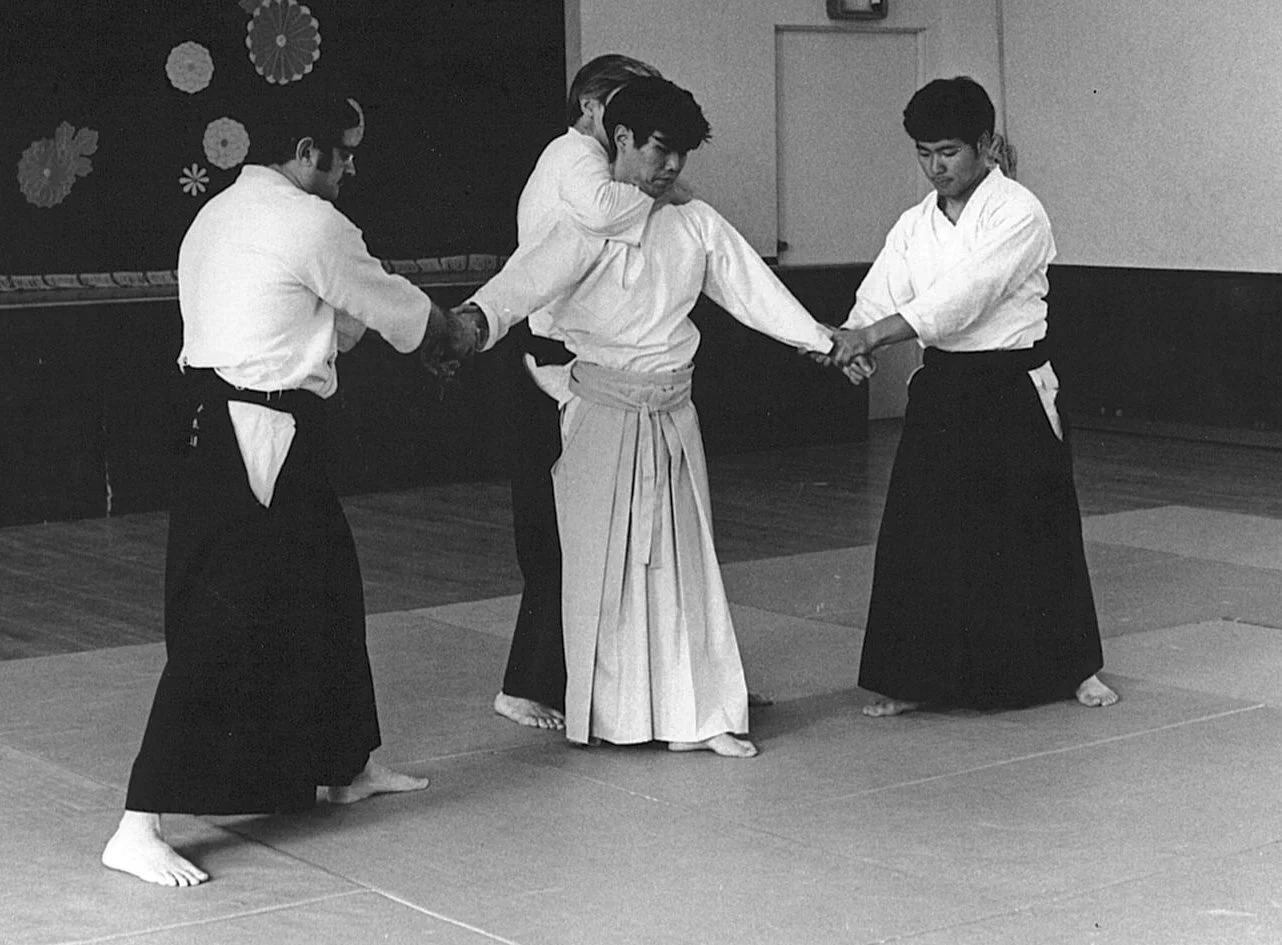
Trying to understand this idea, I combed through Furuya Sensei’s writings. He described muga as “selflessness” and wrote “As we often think mistakenly, we cannot eliminate our ‘egos’ - so muga doesn't necessarily mean to ‘eliminate the self,’ nor does it imply that the ‘self’ is no good because the self is a part of ourselves which cannot be removed. Of course, we cannot become ‘selfish’ people or people who are inconsiderate of others. Muga means to ‘throw away’ the small, self-centered self to reveal our ‘bigger’ self - that part of us which is connected to God, Nature, Buddha or whatever we want to call it. That part of us which is not so self-centered but can consider others in our world as well. In Aikido, we must become highly sensitive to the thoughts and actions of others - in order to do this, we cannot be totally focused on ‘me.’”
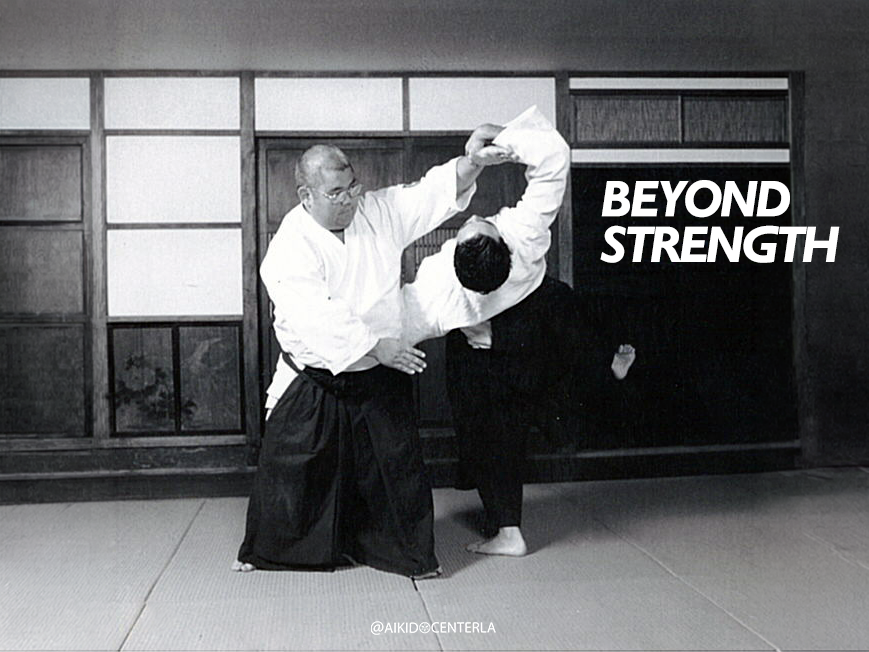
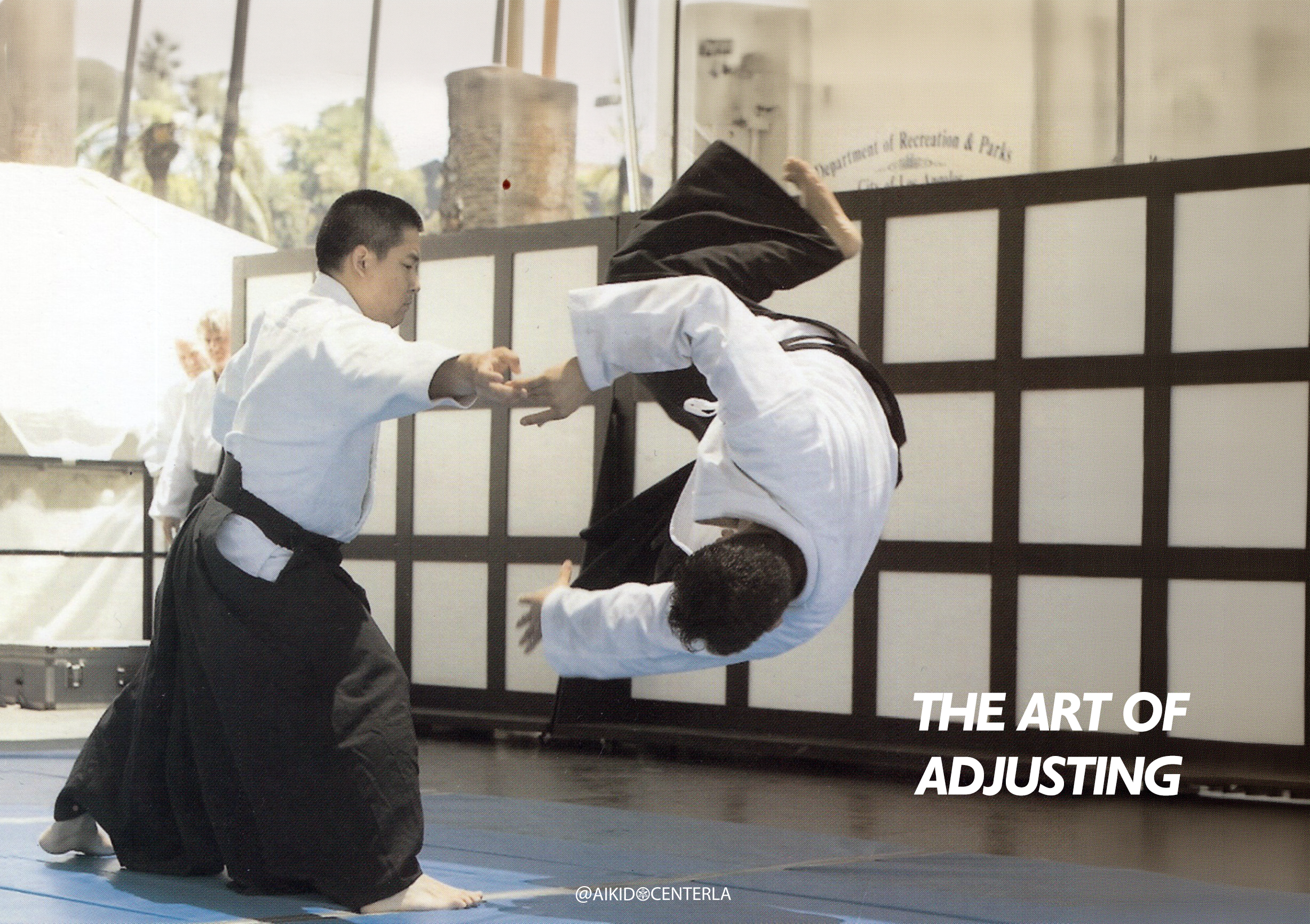
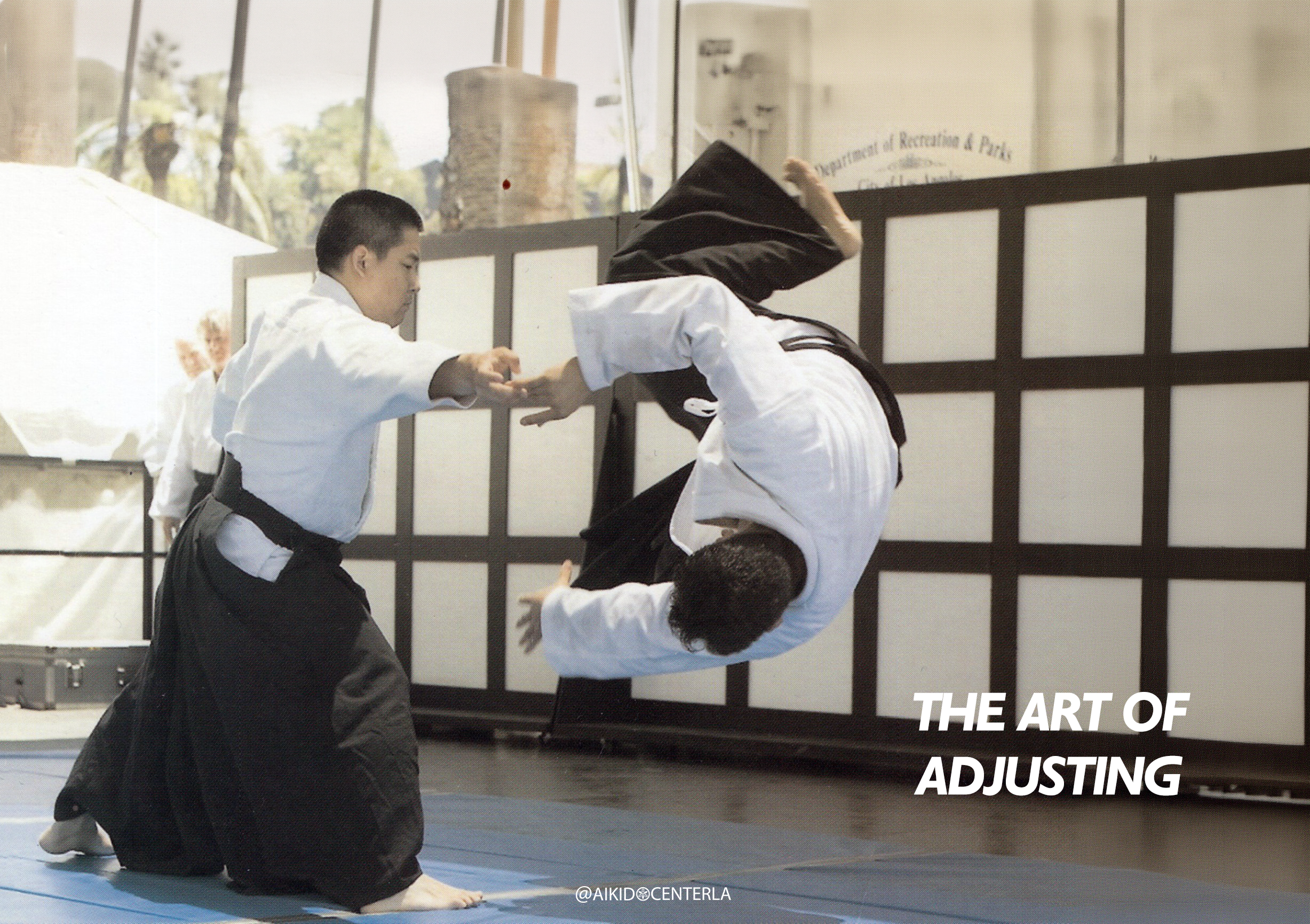
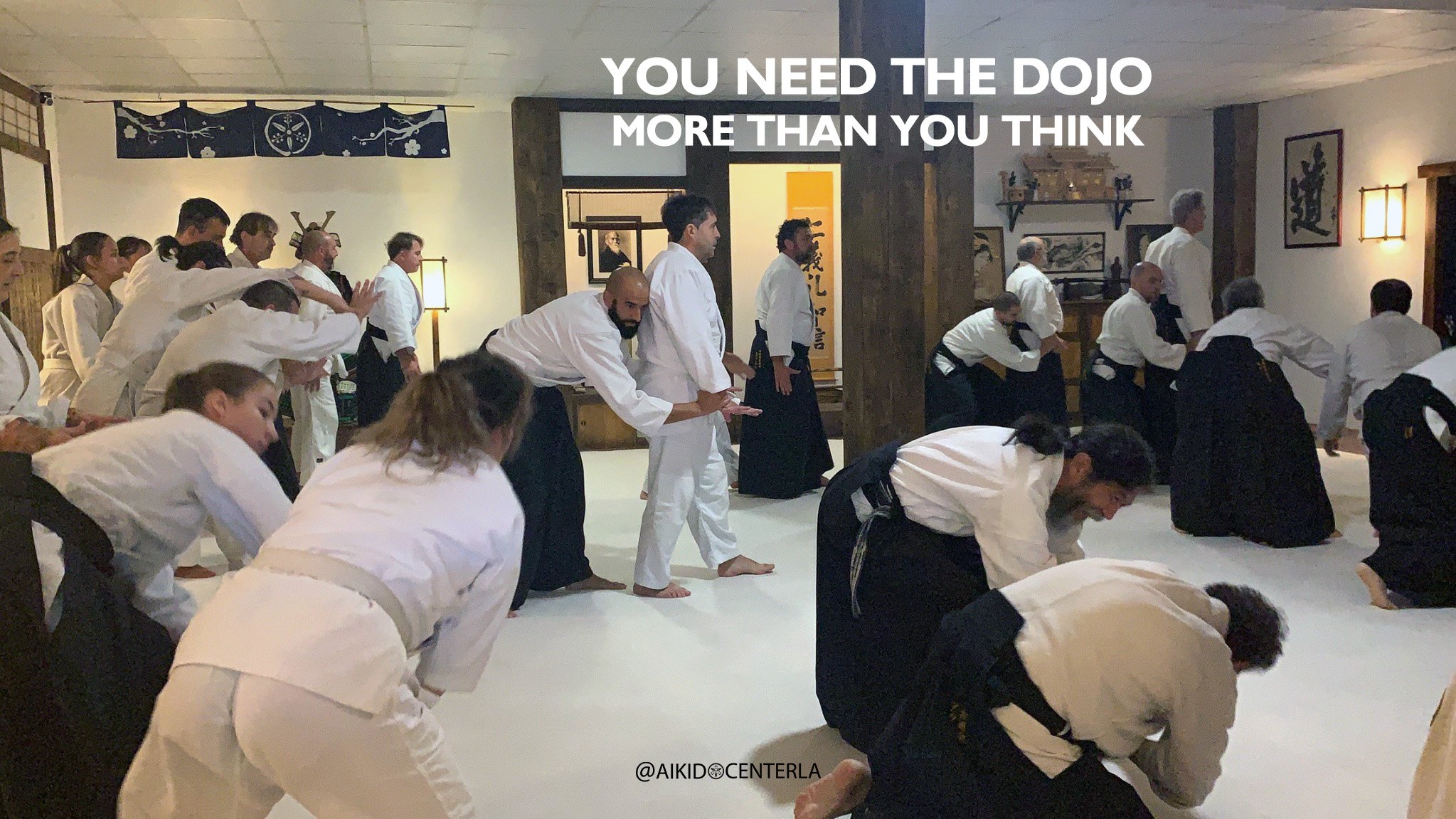
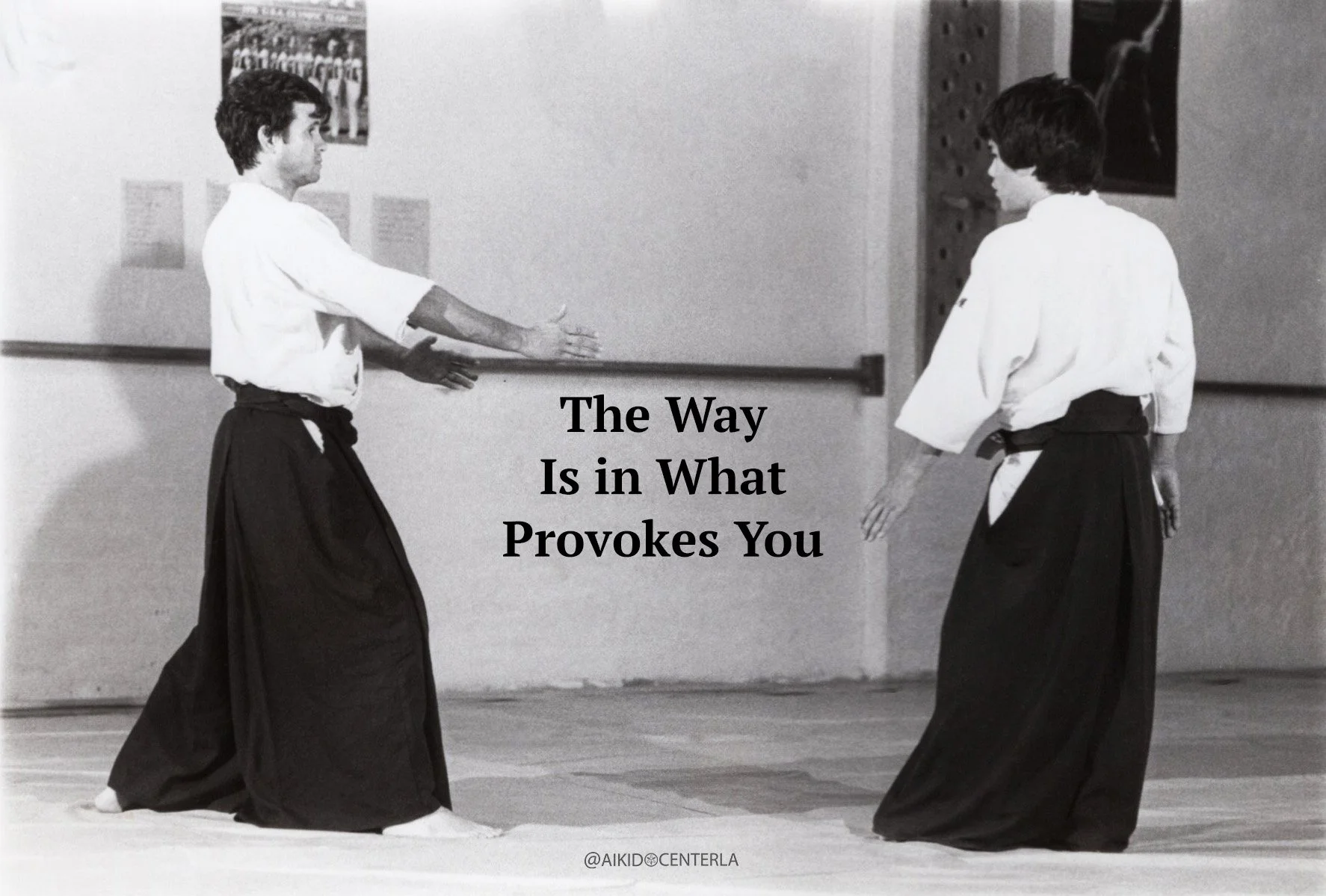
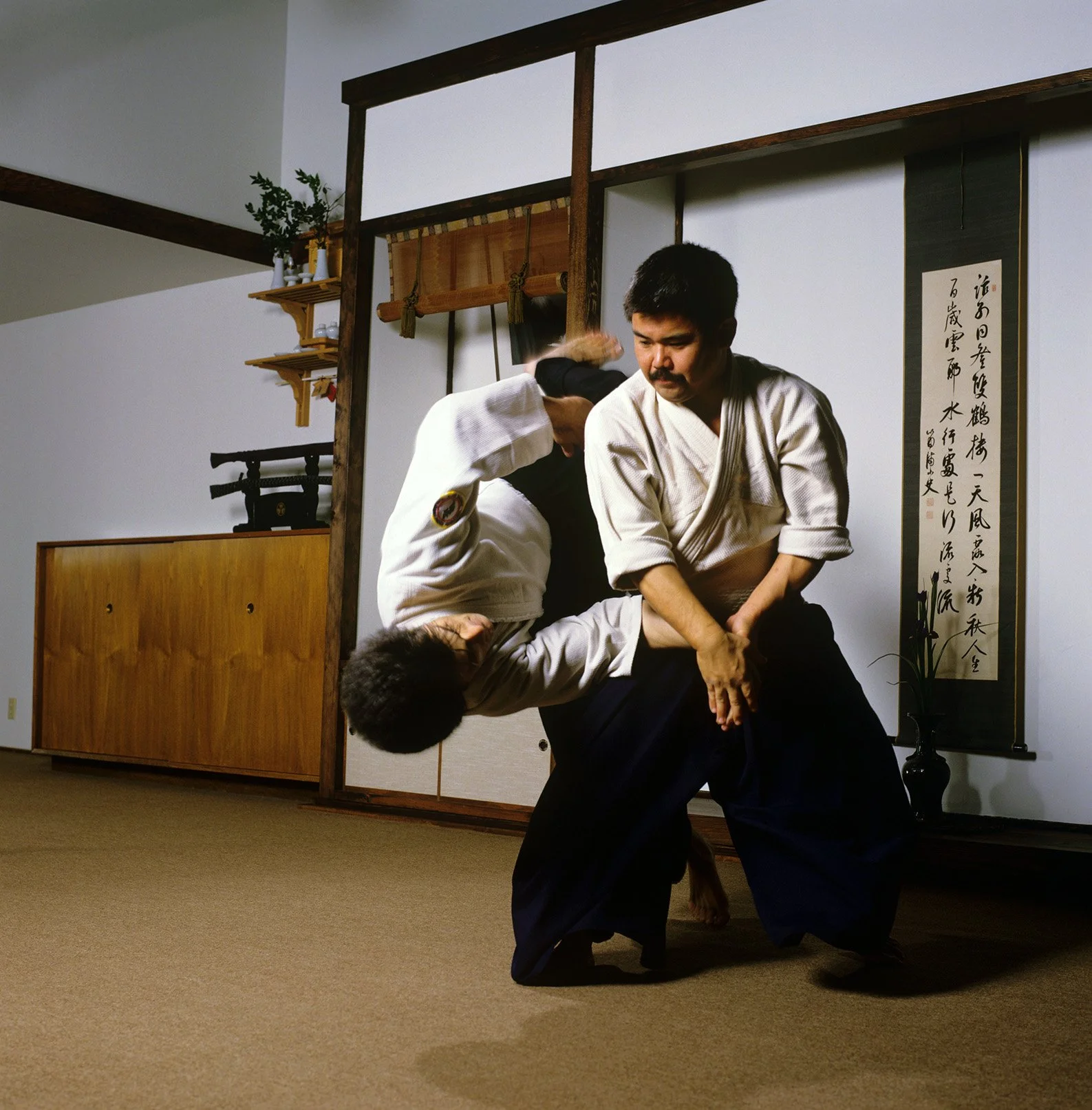
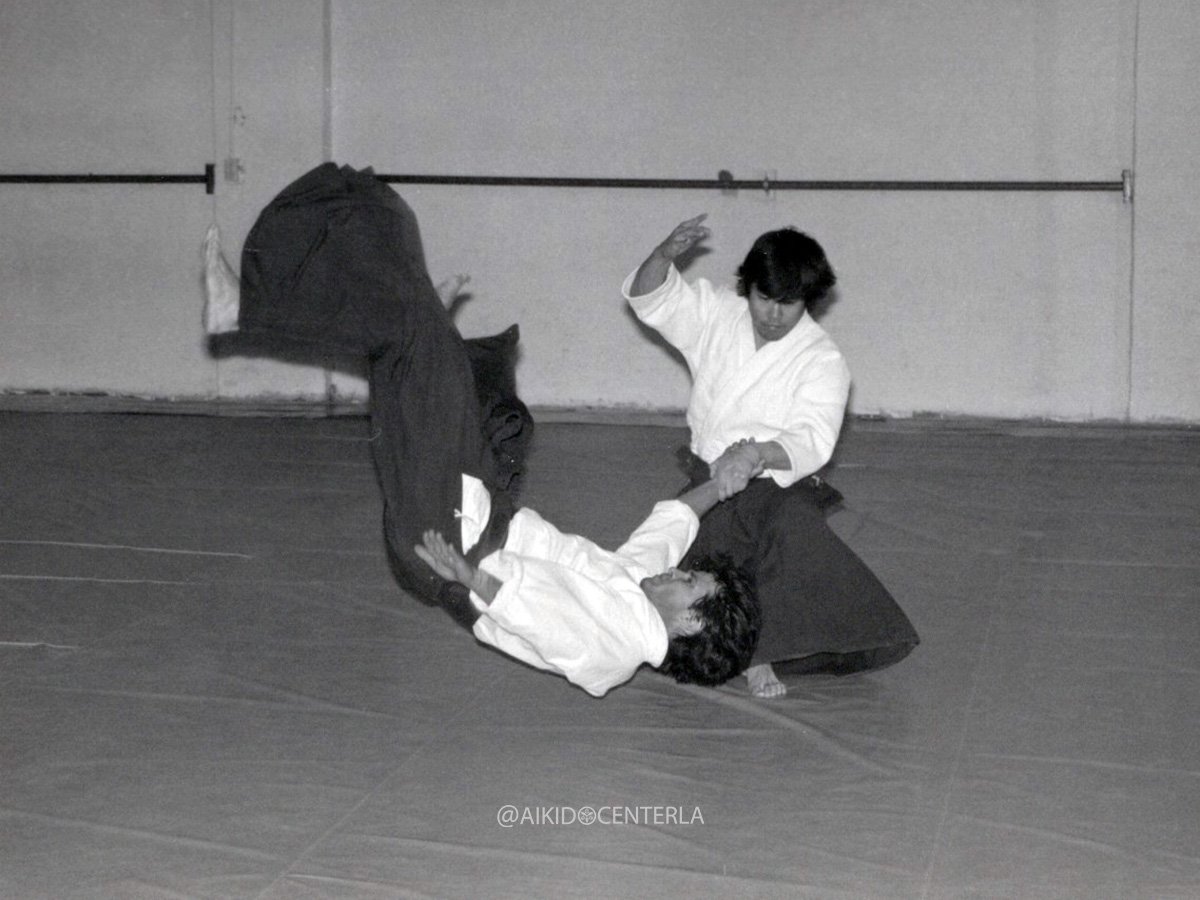
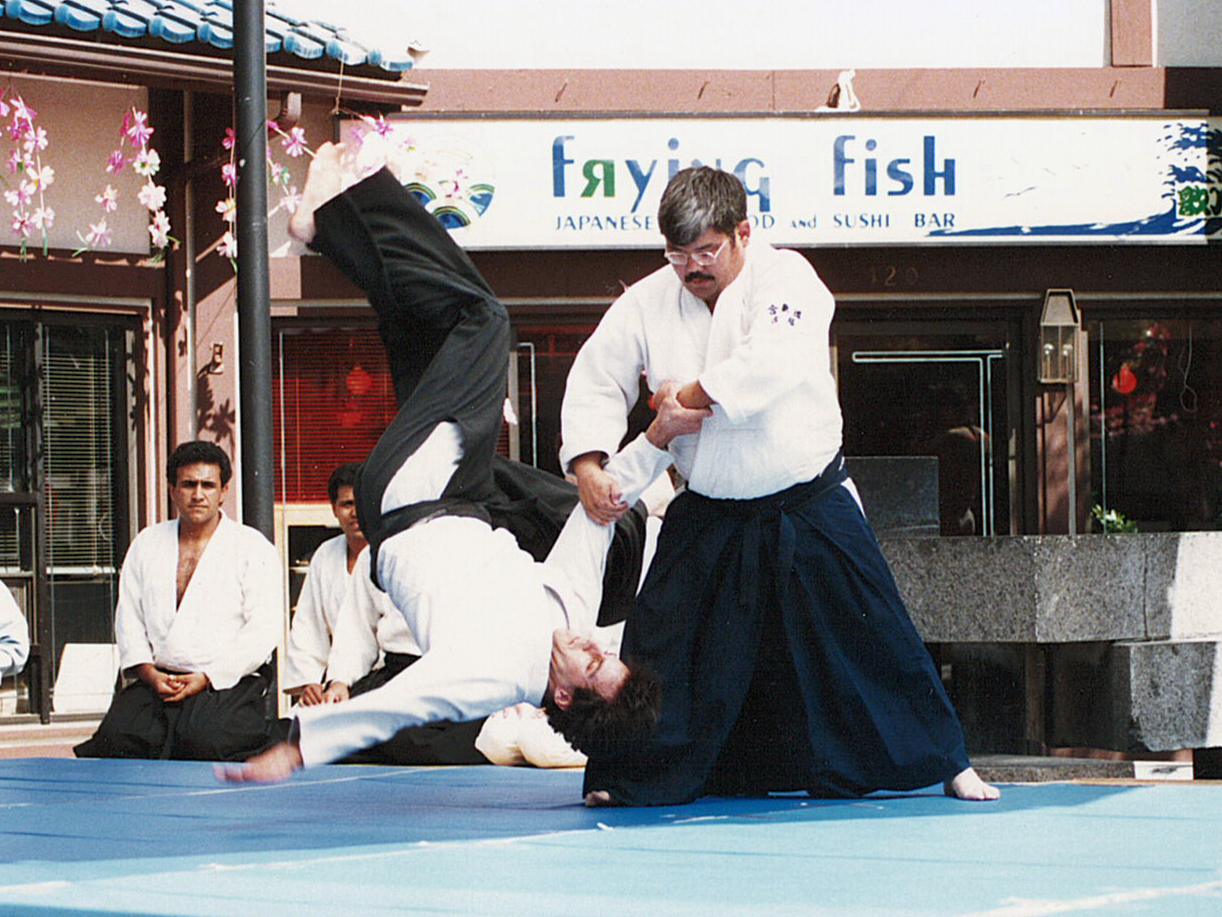
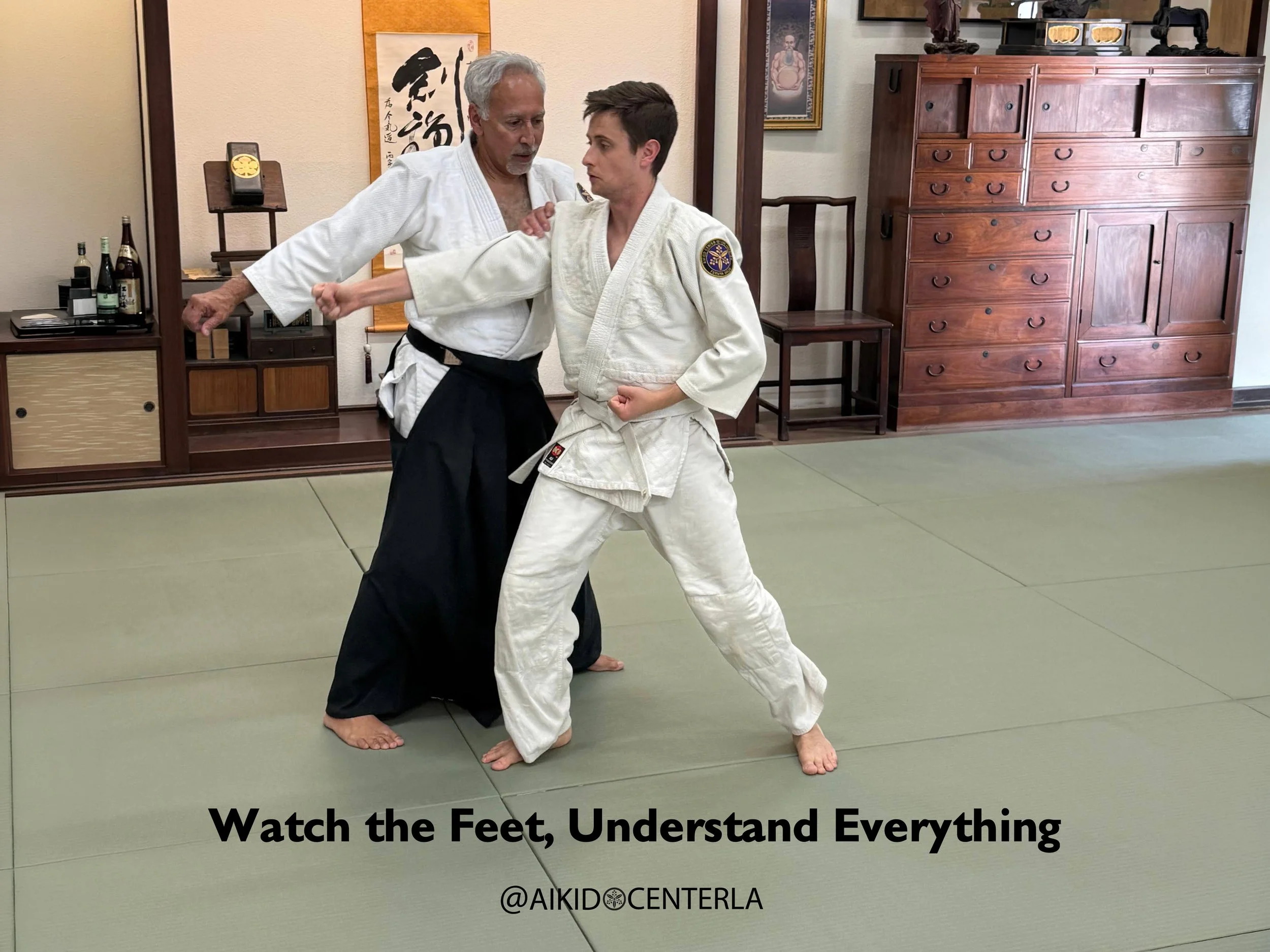
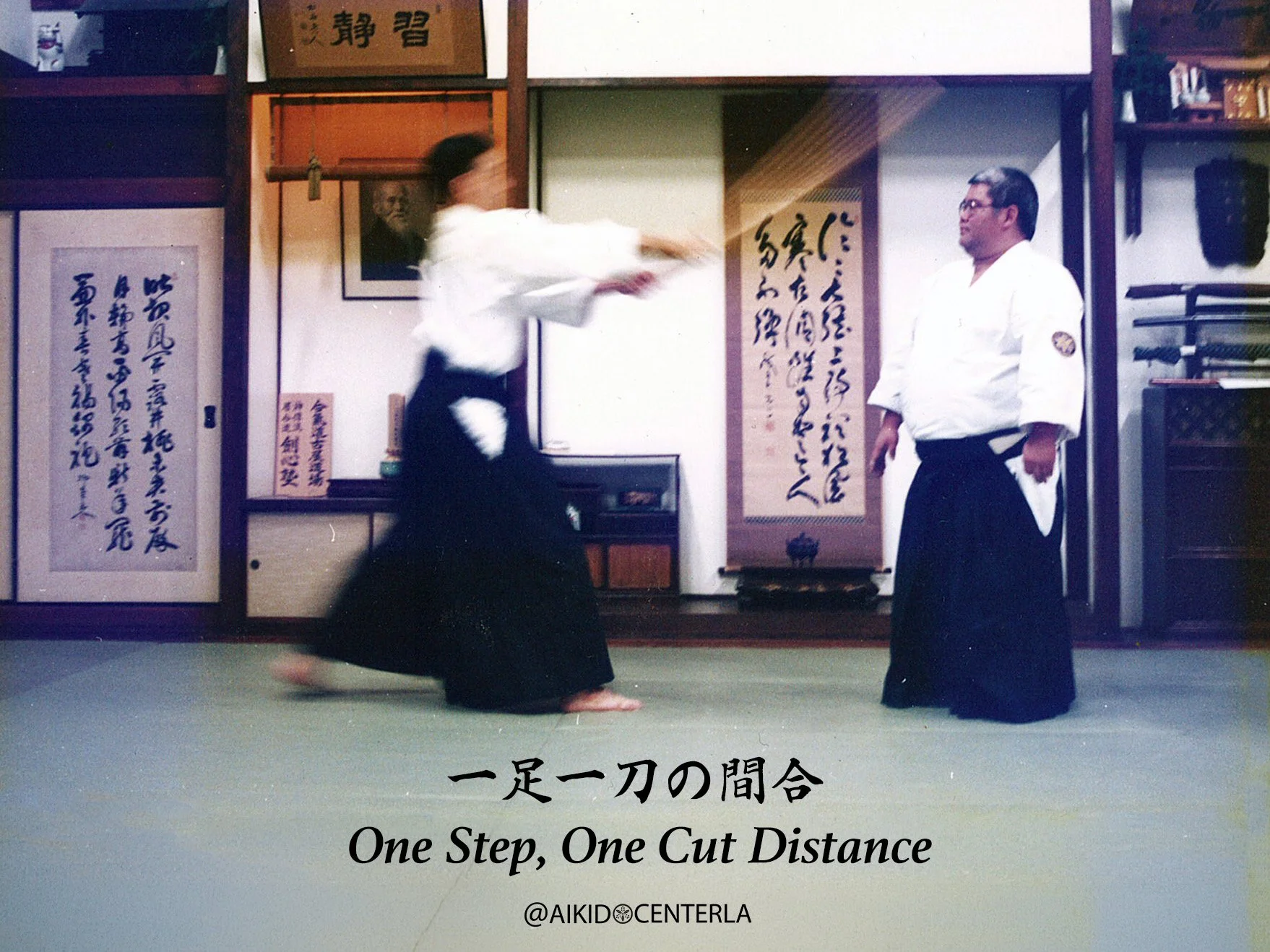
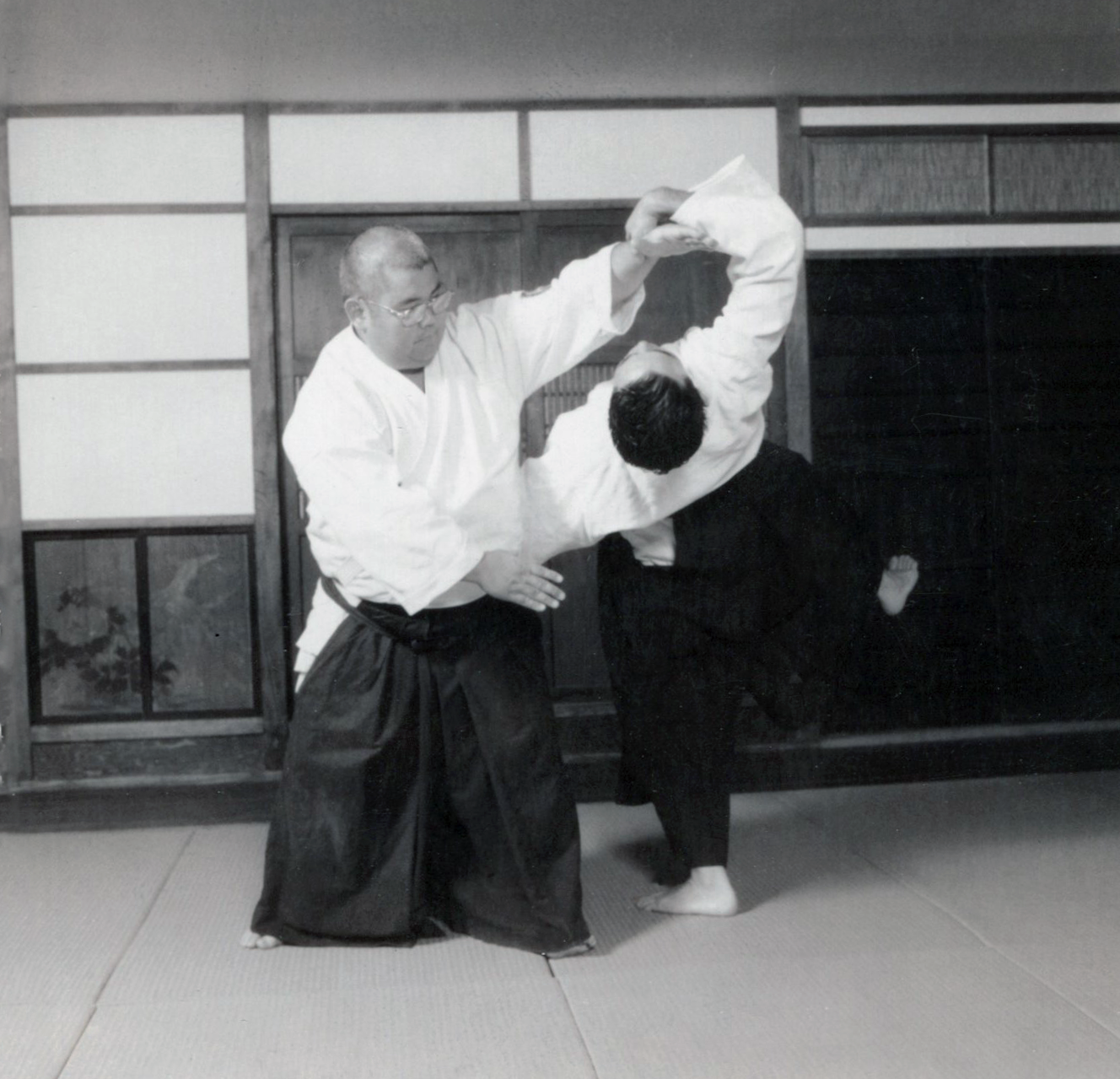
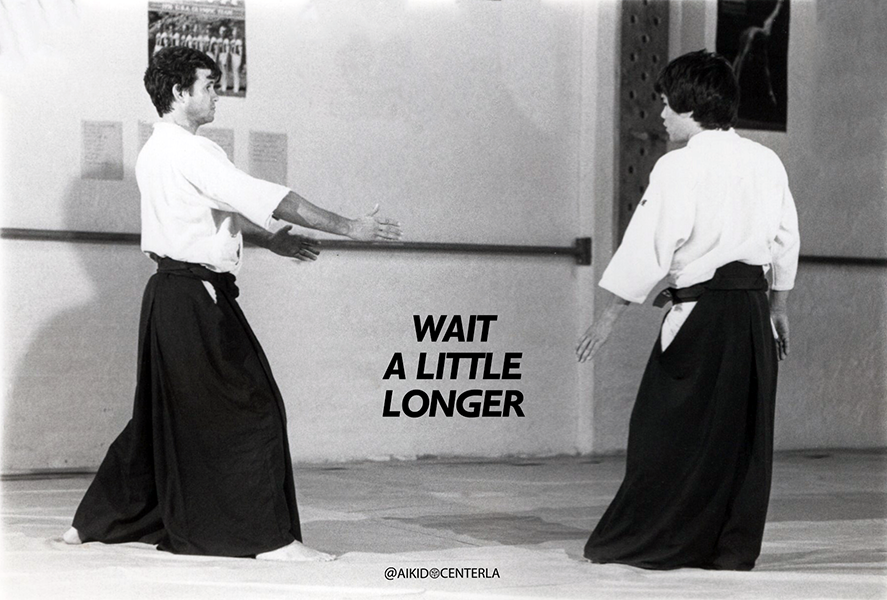
This month, our dojo is focusing on stepping back or tenshin techniques from the Yokomenuchi strike. Generally speaking, the timing for tenshin techniques requires us to move later than usual. One reason for this is to create full commitment from the attacker. Another reason is because it creates or maintains the proper spacing. If we step back too early, a wide gap opens up between the two of us. If we step back too late, the attacker might crush us. Catching the proper timing of the step back “draws” the opponent off balance. They move in but cannot easily control how they are moving, which enables us to do a technique while their balance is broken.
One problem with catching the right timing in tenshin is that the lateness of the timing is counterintuitive to our ego’s desire to keep us safe. Thus, to truly grasp the proper timing, we need to have a certain amount of control over our egos. To catch the right timing, we must come closer to our own destruction. As Furuya Sensei stated previously, [we need to] “‘throw away’ the small, self-centered self to reveal our ‘bigger’ self.” In irimi, we move into the attack. In tenshin, we move so late that we almost get struck by the attack. Both move us into harm’s way. This is because, even though training is contrived, this is one way we learn not to allow our egos to control us and begin to discover our true humanity.
There will never be a time when we might become egoless. The ego will always exist. Someone once said, “The mind is a wonderful servant but a terrible master.” This is true, and thus to really find our “bigger selves,” as Furuya Sensei put it, we must put ourselves into situations where the ego cannot take control. In this context, we do this by making our timing a little bit later as we step back.Only then can we see our true humanity and thus become a little bit selfless.
In Aikido and in Life, many of the causes of our suffering are because we let our egos get in the way. That is why the best don’t let their egos take control.
Today’s goal: Notice when your ego tells you to react. In the dojo, wait a little longer before you move; in life, give yourself a moment before you respond.